1.9 oz to lbs
Interested in converting 1.9 oz to lbs? Or looking for an answer to any of the following questions: “what is 1.9 oz to lb?” or…
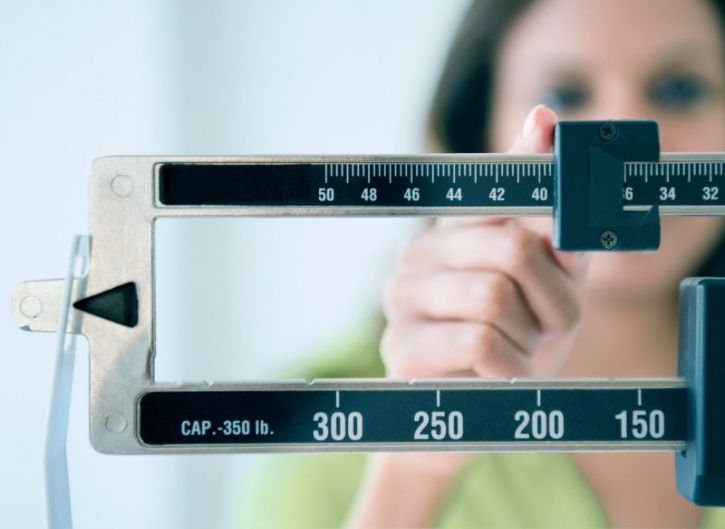
Holidays tend to leave a legacy around your waistline, however, do not leave it too long to do something about it. The harsh reality is that it is a lot easier to gain weight than to lose it.
The average person gains a gram of weight a day, which is invisible in the normal one to two-kilogram weight change that occurs during the day [as a consequence of changes in fluid balance and whether you have just eaten]. But this progressive weight gain adds an unhealthy three to four kilograms over the long term, approximately every 10 years.
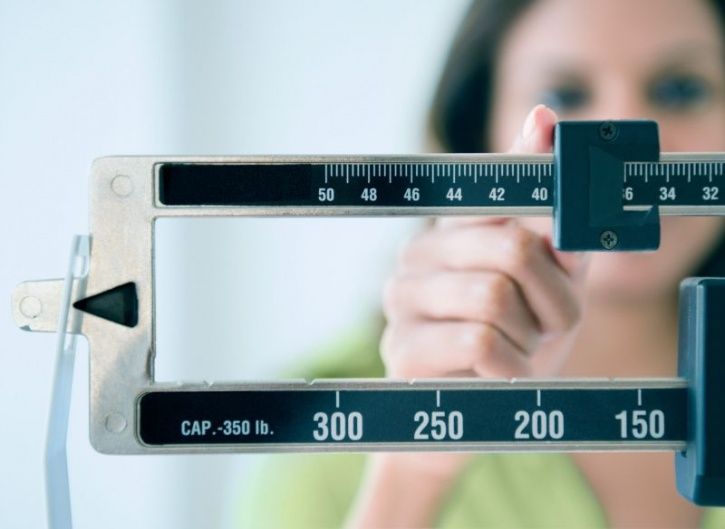
An easy way to judge whether you are losing or gaining weight is by jumping on the scales once a month. However, it doesn’t tell you if your present weight is in the healthy range. That is why researchers put people into weight categories in accordance with their BMI (Body Mass Index). Your Body Mass Index includes your height in the equation and is considered to be a better indicator than weight alone. For instance, someone, whose weight falls between 57-72 kilograms and is 1.7 meters tall would be in the healthy weight range.
When your BMI is between 20 and 25 the risk of weight-related health problems is generally low. It rises gradually in the overweight category when your Body Mass Index is up to 30 and surges rapidly with obesity, which is a Body Mass Index of more than 30.
Problems occur in underweight people as well. The BMI of the average fashion model is below 20, and such a low weight raises the chance of osteoporosis later in life. According to some studies being too light raises the risk of cardiovascular disease. We need balance as usual.
Sadly, even Body Mass Index doesn’t tell the full health story. Fat can be deposited in dangerous or safe areas of the body. The most dangerous places are on the upper body, particularly around the waist. Abdominal fat has a strong association with higher risks of heart disease, type-2 diabetes, gallstones, high blood pressure and stroke, and cancers of the bowel, kidney, uterus, ovary, and breast [particularly for women over 50]. There is also an increased risk of dementia and Alzheimer’s disease, upper-body fat has been linked to sleep apnea, a condition that leaves many individuals depleted of energy during the day.
Among medical experts, there is a growing consensus that a tape measure estimates potential health problems better than scales. According to extensive reviews, the waist measurement is also superior to Body Mass Index in evaluating risk levels of the majority of health problems, specifically cancers, Type-2 diabetes, and heart disease. Employing waist size as a guide also solves the problem that fit individuals with a considerable amount of muscle often have a high BMI because muscle is heavier than fat.
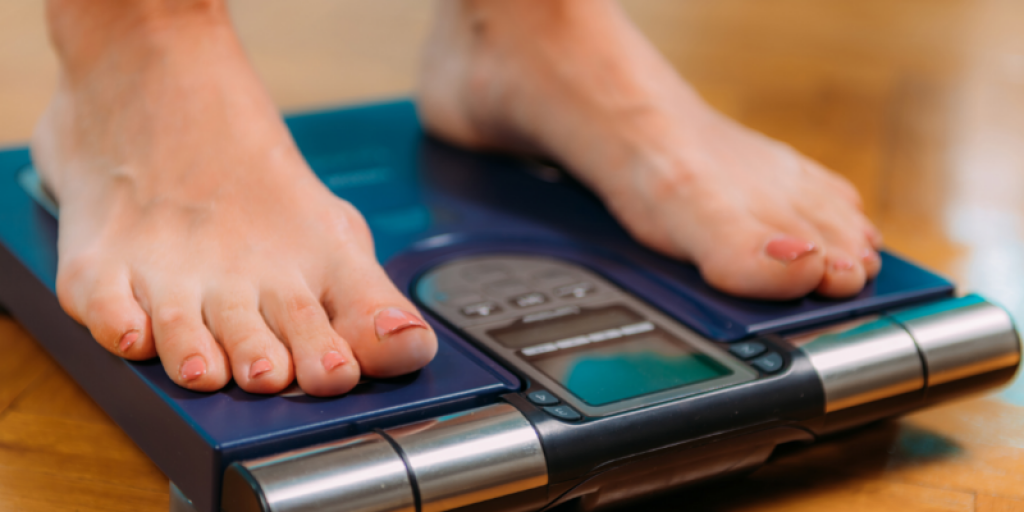
If the waist measurement [taken at the belly button] is more than 94 cm for men and 80 cm for women, and substantially increased if it is more than 102 cm for men and 88 cm for women the chance of health problems is increased. The good news is that fat on the thighs, hips, or bottom is connected with fewer health problems. Moreover, by taking excess kilojoules away from the upper body, lower-body fat may even exert a buffering effect.
Having extra weight anywhere on the body raises the risk of osteoarthritis and knee and back problems. This is another reason to create a fitness plan today.
Convert cubic yards to cubic feet
To begin you will require a calculator and scales. In order to calculate your Body Mass Index, you should divide your weight [in kilograms] by your height [in meters] squared. For instance, if you weigh 75 kilograms and are 1.75 meters tall, your BMI will be 75 / 1.75 (3.06) = 24.5 BMI. Preferably, your Body Mass Index should be between 20 and 25.
According to the National Library of Medicine, the most typical cause of sharp back pain is a sudden injury to the ligaments and muscles supporting your back. Lifting heavy things can cause muscle strains, spasms, and tears to the muscles and ligaments that lead to significant back pain. In order to help relieve back pain associated with heavy lifting rest, gentle exercise, and use of over-the-counter pain medications, however, you may require professional orthopedic care in some circumstances.
The risk of painful spasms, strains, and tears can be reduced by correctly lifting heavy objects.
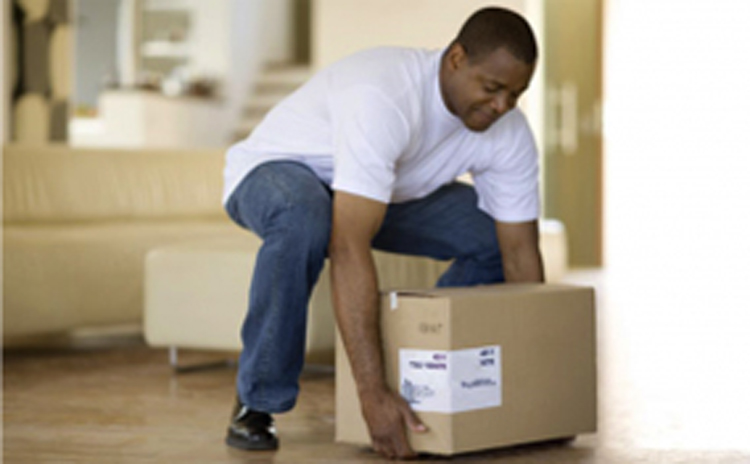
Find out if the object is difficult to grasp or slippery. Examine for holes, tears, rips, dangling pieces, or contents that may move as you lift the object.
Remember, a small package is not always lightweight. So, move the object lightly with your hands or feet to see how effortlessly it moves.
Do not attempt to lift it if it weighs more than you can safely raise by yourself. Break down the object into smaller pieces, if possible, and make several trips, or ask somebody to assist you.
Try to decide in advance where you will place the object and how you will bring it there. Set out a safe way and remove any obstacles that may stumble you. Beware of uneven floors, puddles, and unsecured rugs that may slip out from under you. Determine if you require a ladder, hand truck, gloves, dolly, or other special equipment.
A partner besides helping you lift especially heavy objects can move obstacles that suddenly fall into your path, or act as a spotter who warns you of trouble when the object you are carrying covers your view. Before you begin to move heavy objects consult your plan in detail with your partner so that you function together as a crew.
Convert gallons to cubic meters
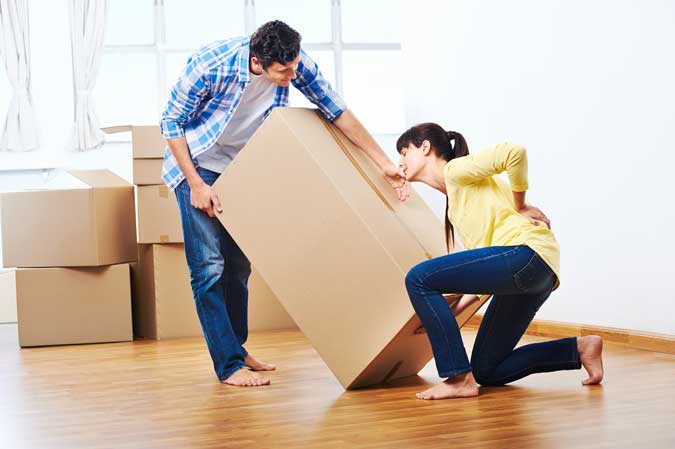
Rather than bending over, lift the object from a kneeling position if the object is on the floor. Put one knee on the floor and stand as close to the object as possible. As you prepare to stand, rest the object on your knee.
As you stand hold the core muscles in your abdomen tight. Look straight ahead and keep your head back to keep the right alignment in your back and neck. Try to use the muscles in your legs rather than the muscles in your back, to lift the object. As you lift, evade twisting at the waist because this can injure the muscles in your back. If you require to turn, step to the side.
You can safely lift higher objects, like those on a table, without kneeling if you have trouble kneeling or rising from a kneeling position. In order to give your body a wide base of support, start by spreading your feet shoulder-width apart. You may discover that putting one foot barely in front of the other increases stability. Stand as close as attainable to the object then bend at your knees, not at your waist, as required to lift the object.
To ensure a firm hold you might find it easier to tilt the object onto its side.
In order to gradually lift the object use the muscles in your legs, not your back. Hold the natural curve of your back as you pick up the object. Try to maintain your core muscles tight.
If you can, hold the object at the belly button level. Holding a heavy object away from your body puts additional stress on the muscles of your back and this pressure could lead to injury.
When you lift a heavy object breathe as normally as possible. Holding your breath during physical work can provoke cramps or even raise your blood pressure to an unsafe level. If you feel out of breath, put the object down and rest. Breathing normally supplies your muscles with oxygen.
Rushing increases the risk of falling, so, walk unhurriedly and deliberately while carrying heavy objects.
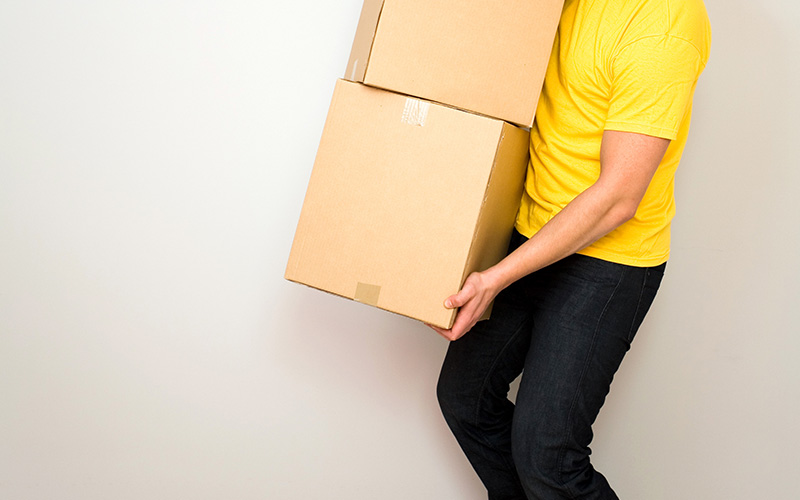
In order to avoid injuring your lower back, use your feet to change direction rather than twisting at your waist. Take little steps as you alter direction. Guide with your hips and hold your shoulders aligned with your hips as you move.
When you put the object down use the same proper body mechanics as when you picked up the object. Squat down, keep your back straight, look at the wall and tense your core muscles.
Weight alone does not define the chance of back injury. Further risk factors for back injury incorporate: